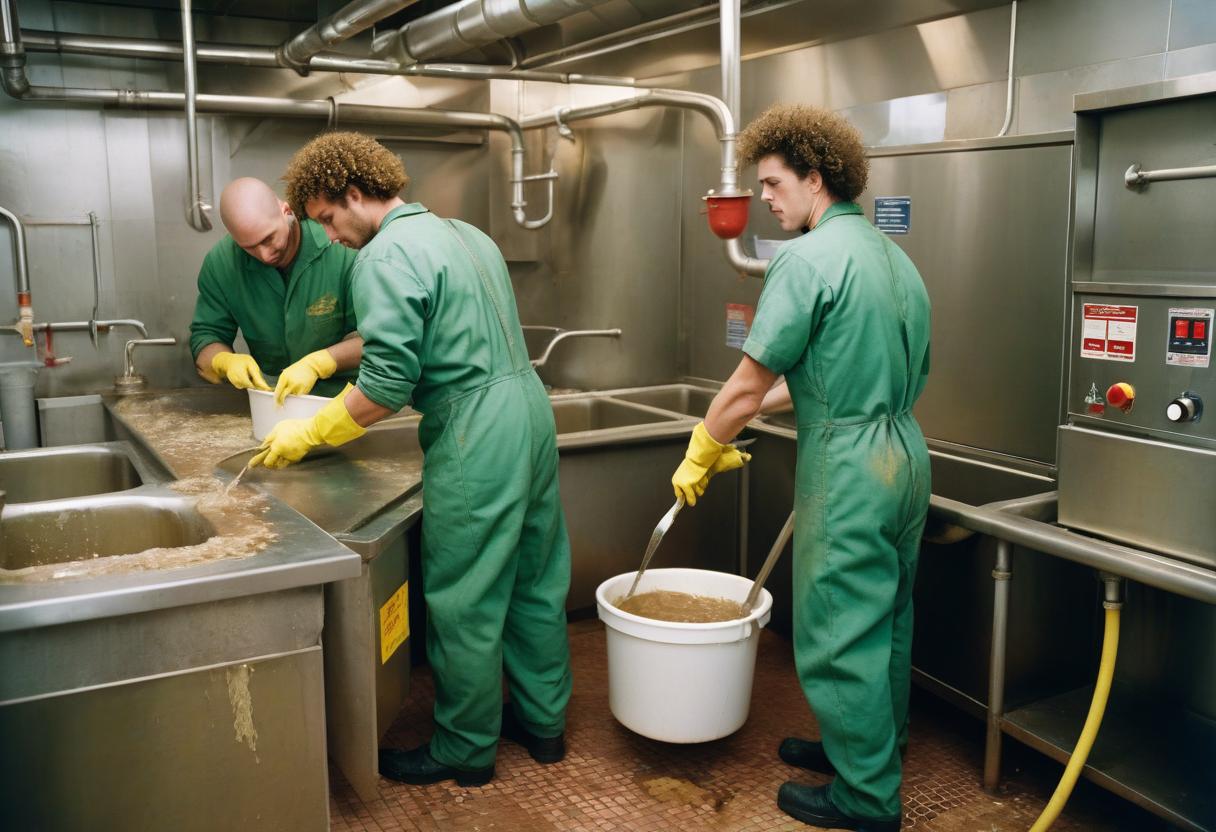

Clogged drains can be a nuisance, disrupting daily activities and causing inconvenience. Fortunately, there are several DIY methods you can try to unclog a drain before resorting to professional help. Here are some effective and straightforward techniques to help you clear that blockage.
1. Boiling Water
How It Works: Boiling water can help dissolve and loosen minor clogs caused by grease, soap, or other buildups.
Steps:
- Boil a pot of water.
- Slowly pour the boiling water directly into the drain.
- Wait a few minutes and repeat if necessary.
2. Baking Soda and Vinegar
How It Works: The chemical reaction between baking soda and vinegar can break down organic matter and clear clogs.
Steps:
- Pour 1/2 cup of baking soda into the drain.
- Follow it with 1/2 cup of vinegar.
- Cover the drain with a plug or cloth to keep the reaction concentrated.
- Let it sit for 15-20 minutes.
- Flush with hot water.
3. Plunger
How It Works: A plunger uses suction and pressure to dislodge clogs in drains.
Steps:
- Fill the sink or tub with enough water to cover the plunger’s cup.
- Place the plunger over the drain, ensuring a good seal.
- Pump the plunger up and down vigorously.
- Check if the water drains properly. Repeat if necessary.
4. Drain Snake (Plumber’s Auger)
How It Works: A drain snake can physically break up and remove clogs located deeper in the drain.
Steps:
- Insert the drain snake into the drain until you feel resistance.
- Rotate the handle to break up the clog.
- Push and pull the snake to dislodge the blockage.
- Remove the snake and flush the drain with water.
5. Wire Hanger
How It Works: A straightened wire hanger can be used as a makeshift drain snake for minor clogs.
Steps:
- Unbend a wire hanger, leaving a small hook at one end.
- Insert the hooked end into the drain.
- Fish out hair and other debris by rotating and moving the hanger.
- Dispose of the debris and flush the drain with water.
6. Wet/Dry Vacuum
How It Works: A wet/dry vacuum can create suction to pull out clogs from the drain.
Steps:
- Set the vacuum to liquid mode.
- Cover the drain opening with the vacuum hose, ensuring a tight seal.
- Turn on the vacuum to create suction and pull out the clog.
7. Dish Soap and Hot Water
How It Works: Dish soap can help lubricate and break down grease clogs, especially in kitchen sinks.
Steps:
- Pour a generous amount of dish soap down the drain.
- Follow with boiling water.
- Repeat if necessary.
8. Enzyme Cleaners
How It Works: Enzyme-based drain cleaners use natural bacteria to break down organic matter without harsh chemicals.
Steps:
- Follow the instructions on the enzyme cleaner package.
- Pour the recommended amount into the drain.
- Let it sit for the suggested time to allow the enzymes to work.
- Flush with water.
Prevention Tips
- Regular Cleaning: Periodically clean drains with baking soda and vinegar to prevent buildup.
- Avoid Grease: Do not pour grease down the drain; instead, dispose of it in the trash.
- Use Drain Covers: Install drain covers to catch hair and debris before they enter the drain.
Conclusion
While these DIY methods can effectively unclog many drains, some clogs may require professional assistance if they persist. Regular maintenance and mindful usage can help prevent future clogs, keeping your drains flowing smoothly.